Dental Surgery by Woodland Dentists

Woodland Hills dental care facility offers various types of dental care options to its clients. There are fully equipped machines as well as other modern equipments that are designed to aid in the delivery of quality services. There have been many complains by those visiting other dental institutions on the pain experienced during a treatment option. This however is never the case with woodland hills dentists. It is very easy to leave the institution with a big smile on your face after treatment owing to the good treatment options that will have been awarded you on your visit to the facility.

Dentists perform dental surgery in a number of ways. Your concern is on getting the best out of the options that you may have been given. The procedure often involves modifying dentition, which covers surgery on the teeth and the jaw of the mouth. The most commonly known types of surgery include endodontic and prosthodontic. Both these procedures are well handled by the dentists in woodland hills.

Endodontic is a surgery that majorly covers the pulp as well as the root of the teeth. Examples include root canal, pulpotomy, pulpectomy, and apicoectomy. These are designed to cover specific regions of the mouth. There are no better dentists in other locations that from woodland hills that can perform the process with minimal pain if any felt during the procedure by the client. Undergoing the process will actually bring relief to a patient that was suffering from the condition.Dental Surgery by Woodland Dentists

Prosthodontic is an option felt by the patients through the fixation of dental prosthetics. Some of the prosthetics used on teeth include crowns, veneers, bridges, implants, and dentures. The prosthetics are always made custom to a patients needs. This is because of the difference in the dental formulas in each individual. The devices are measured and made to precision to fit the function for which they were intended.

During dental surgery procedures, the dentists in woodland hills apply the use of anesthesia. The purpose of the injection is to numb the sensory nerves situated on the mouth area to protect the person from feeling pain. The needle with the content had to be injected in a particular area for a good effect to be felt. When the patient is not in a position to feel any pain, the dentists get to work on the surgical procedure set in place to correct the condition.

Professional dental care is important and good for oral hygiene. However, it is also good to get to know how to take proper care of your teeth. Good oral hygiene contributes to healthy teeth, gums, as well as fight away oral infections. Regular cleaning of the teeth removes plague from the mouth. Forms of plague that have mineralized need to be removed from the teeth or mouth. Routine medical checkup that is conducted at least once a year helps you know if there is a special need you may be developing on your dental area.

Use Vaporizers without Any Harmful Effects

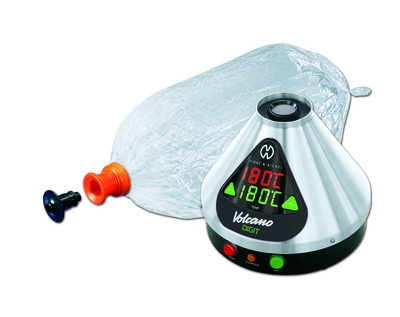
Vaporizers have become common in use among people. Some use them to have a good time while others use them to help remedy a health problem. Whatever the use one applies, it is essential to learn the right procedure of use to maintain good health. Bad uses of vaporizers are known to have bad effects among people but good use has plenty of benefits for vaporizer users. Using vaporizers makes it possible to enjoy your favorite blends without side effects. You can make use of any herbs that you so wish to get their best effects via use of vaporizers.

Why consider vaporizers

Vaporizers have the ability to heat your favorite blends to the required temperature and release the matter into the air in vapor form. You can thus enjoy inhaling the blend. The moisture released helps in unblocking congestions and keeping the sinus region soft. The use of herbs used in fighting microbes is able to kill harmful bacteria within an individual’s respiratory system.Use Vaporizers without Any Harmful Effects

Combustion of the herbs does not take place when using vaporizers thus saving an individual from inhaling harmful gases, which come as a result of combustion. This makes the use of vaporizers in enjoying herbs better than the process of smoking the herbs. The biggest advantage that comes in the use of vaporizers is the ability to use your favorite herbs even in places where smoking has been banned. The use of vaporizers is not associated with smoking in any way.

Tar is a source of bad health among people. The use of vaporizers releases no tar. Tar is a product of smoking and has been listed among the major causes of bad health alongside harmful gases like carbon monoxide that comes as a result of combustion. While using a vaporizer, the herbs undergo heating under high temperatures and are then passed through water to come out as vapor. The vapor is moist air form that is inhaled for relief. The addition of essential oils to the vapor helps in bringing relief to you whenever you have a health challenge. The pleasant aroma will also prove to be relaxing to you whenever you want to enjoy the effects of a vaporizer’s use.

It is important that you learn that vaporizers cause the release of plenty of moisture to a room. After the use of vaporizers, it is important to air a room to have good health. Leaving the area without airing after the use may have bad effects. This is due to the mold that may grow in the room owing to the moisture released by the vaporizer not clearing out. Mold presence is the root cause of various respiratory problems. A user will also find the need to control the heat used on the vaporizers. Different heat measures give off different results. This brings in the need to employ the use of the best vaporizer heat measure that will satisfy your individual needs.

Author Bio: Eva Holmes has been associated with a leading Vaporizers company for several years. Her hobby is writing articles and blogs on Volcano Vaporizers, Vaporizer, etc. In this article she is providing us with some valuable information on Vaporizers.

Alexander Technique

The Alexander technique is a training process in which a person learns to identify and change faulty posture and movements. The goal is to free the body of muscular tensions that cause stress and fatigue by eliminating common postural problems resulting from such habits as slouching, holding the head in an awkward position when talking on the telephone, or carrying a heavy bag on one shoulder. A number of poor posture patterns are the result of well intentioned reminders by parents or teachers to stand or sit up straight. Many people respond by holding their spinal muscles in a constant state of tension instead of aiming for a relaxed balance of head, neck, and torso. Tight or restrictive clothing and high heeled shoes are other common culprits that contribute to incorrect posture and muscle tension.

Origins

The technique was developed in the late 19th century by an Australian actor, F. Mathias Alexander, during a period in his career when he was losing his voice. While examining his movements in a triple mirror, he realized that the tense and artificial postures he habitually assumed with his head, neck, and torso during performances were affecting his vocal chords. By changing his self defeating habits, he was able to “liberate” his voice. Encouraged by his success, he began to teach others some of his methods and in 1908, he published one of his earliest pamphlets: “Reeducation of the Kinesthetic System (Sensory Appreciation of Muscular Movement) Concerned with the ,Development of Robust Physical Well Being.” In the decades that followed, he attracted many distinguished followers, among them philosopher john Dewey, authors George Bernard Shaw and Aldous Huxley, as well as a number of physicians and scientists. By the time he died in 1955, his technique was being taught worldwide.

Practitioners

Instructors are trained and certified at centers affiliated with the North American Society of Teachers of the Alexander Technique. They may give private lessons and also conduct group classes and workshops. Some doctors and physical therapists use the method, and many hospitals, rehabilitation centers, and pain clinics now offer instruction to their clients. So do performing arts institutions, including the juilliard School in New York and the London Academy of Music and Dramatic Arts.

When it is used

The technique is most frequently recommended as a way of dealing with back and neck pain. It is also used to counteract some of the effects of scoliosis (curvature of the spine) and arthritis, to improve respiratory function, and as an adjunct to breathing exercises for asthma patients. Some performing artists claim that it has helped them to overcome stage fright; many athletes have found that it not only enhances their skills but also helps reduce the likelihood of sports injuries. A growing number of people who work at computers are investigating the Alexander technique as a way of avoiding stress injuries from repetitive movements, which have become a disabling occupational hazard.

Caring for Your Health and that of Family

Everyone needs health care services, whether young or old. We live in a world where science and technology has been used to find cure to some of the deadly diseases. Although some diseases have no permanent cure yet, scientists have been able to discover drugs to suppress them thus allowing humans to live longer than they would have. We are not able to tell the diseases we will contract in life but we can strive to live a healthy lifestyle. Make regular visits to your health care provider can contribute to your efforts of staying healthy. Many are the times when living healthy is associated with being able to survive for many years without serious health complications.

You can strive to live healthy and make sure the same is the case with your family by choosing the best of Savannah Healthcare providers. We are able to provide you with a list of doctors from different field whenever you need to see a specialist in a particular field to get further treatment. Ensure that your children are getting proper treating using our pediatricians who have years of experiencing in treating children and have received a lot of praise from parents.

Caring for Your Health and that of Family

Bringing up a child can be a challenge especially when they are very young and have not yet acquired speech. Your child might be crying thus leaving you frustrated since you do not know the reason as to why he is agitated and crying. Paying a closer look at the signs and symptoms he is displaying can be the only clue you have in finding the reason why he is crying continuously. Yes, babies cry but there are times when you get concerned due to their outbursts. When you find there is reason to visit a pediatrician, Savannah healthcare will help you get the best doctor who is closer to your residential place. Through treatment, you will be able to ensure that your baby is developing normally thus allowing him to grow together with people of his age.

As a parent, you need not be concerned with the health of your young children only. Teenagers also need parental care. Some teenagers are open with their parents and would share any problem they are experiencing in order to have it taken care of. Other teenagers are shy and they tend to keep to themselves. However, parents have been able to study the behavior patterns of their children and this makes them in a position to tell when something is bothering their shy teenager thus helping him get the help he needs.

When you are looking for a cardiologist, ophthalmologist, gynecologist, neurologist, pediatricians, and other practitioners who have specialized in different fields of treatment, Savannah Healthcare can help you find the best there is. Do not sit back and get depressed when you are experiencing some complications but rather get out and seek medical help.

Ginger

Medicinal use of ginger dates back to ancient China and India. Once its culinary properties were discovered in the 13th century, use of this herb became wide spread throughout Europe. In the Middle Ages, it held a firm place in apothecaries for travel sickness, nausea, hangovers, and flatulence. Its pungent properties also contribute to its pharmacologic activities. Ginger contains cardiotonic compounds known as gingerols, volatile oils, and other compounds  gingerdione, zingerone, and zingibain.

The root has antiemetic effects that result from its carminative and absorbent properties and its ability to enhance GI motility. Large doses exert positive in otropk effects on the cardiovascular system. Anti-inflammatory effects may result from ginger’s ability to inhibit rostaglandin, thromboxane, and feukotriene biosynthesis; antimigraine effects, from ginger’s ability to inhibit prostaglandins and thromboxane. An tithrombotic effects may result from ginger’s ability to inhibit platelet aggregation. The volatile oil may have antimicrobial effects.

Ginger is available as candied ginger root, fresh root, oil, powdered spice, syrup, tablet, tea, and tincture. Common trade names include Alcohol-Free Ginger Root, Caffeine Free Ginger Root, Ginger Aid Tea, Ginger Kid, GingerMax, Ginger powder, Ginger Root, Quanterra Stomach Comfort, Travellers, Travel Sickness, and Zintona Rhizome.

Reported uses

Ginger is used most commonly as an antiemetic to treat motion sickness, morning sickness, and generalized postsurgical nausea. It’s also used to treat colic, flatulence, dyspepsia, and indigestion. Ginger is used as an anti-inflammatory for those with arthritis and as an antispasmodic, and for its antitumorigenic activity in patients with cancer. It’s used to treat upper respiratory tract infections, cough, and bronchitis. Topically, fresh juice of ginger is used for treating thermal burns.

Administration

  • As an antiemetic: 2 g of fresh powder by mouth taken with some liquid; total daily recommended dose is 2 to 4 g of
    dried rhizome powder
  • For arthritis: 1 to 2 g every day
  • For chemotherapy-associated nausea (in the absence of narcotic anesthesia or analgesia): 1 g before chemotherapy
  • For migraine headache or arthritis: Up to 2 g every day
  • For motion sickness: 1 g by mouth 30 minutes before travel, then 0.5 to 1 g every 4 hours; dosage may begin 1 to 2 days before trip
  • Infusion: To prepare, steep 0.5 to 1 g of herb in 150 ml of boiling water, and then strain after 5 to 10 minutes (1 teaspoon = 3 g of drug).

Hazards

Adverse reactions associated with ginger include central nervous system (CNS) depression and increased bleeding time with large doses. It may cause heartburn. Ginger may interfere with hypoglycemic drugs due to its hypoglycemic effects. Use with anticoagulants and other drugs or herbs that can increase bleeding time may further increase bleeding time.

Patients with gallstones or with an allergy to ginger should avoid use. Pregnant women and those with bleeding disorders should avoid using large amounts of ginger. Patients taking a CNS depressant or an antiarrhythmic should use with caution. Patients with diabetes or blood pressure problems should also use with caution.

Safety Risk The use of ginger in large doses has been associated with cardiac arrhythmias.

Clinical considerations

  • Adverse reactions are uncommon.
  • Monitor patient for signs and symptoms of bleeding. If patient is taking an anticoagulant, monitor PTT, PT, and INR carefully.
  • Use in pregnant patients is questionable, although small amounts used in cooking are safe. It’s unknown if ginger is excreted in breast milk. If patient is pregnant, advise her to consult a knowledgeable practitioner before using ginger medicinally.
  • Ginger may interfere with the intended therapeutic effect of conventional drugs.
  • If overdose occurs, monitor patient for arrhythmias and CNS depression.
  • Educate patient to look for signs and symptoms of bleeding, such as nosebleeds or excessive bruising.
  • Advise patient to keep ginger away from children and pets.
  • Tell patient to notify pharmacist of any herbal or dietary supplement that he’s taking when obtaining a new prescription.
  • Advise patient to consult his health care provider before using an herbal preparation because a conventional treatment with proven efficacy may be available.

Research summary

Clinical trials have examined ginger’s antiemetic effects related to kinetosis (motion sickness), perioperative anesthesia, and hyperemesis gravidarum; however, little is known regarding its pharmacology in these settings. Other trials have shown no significant differences among ginger, antiemetics, and placebo with regard to gastric as well as nongastric symptoms. Two separate investigations showed no effect of ginger on CNS impairment caused by kinetosis, as subjects retained the ability to perform certain head and eye movements.

Another placebo-controlled study compared ginger with scopolamine in several subjects. Ginger partially inhibited and stabilized tachygastria but did not effect EGG amplitude. The authors concluded symptoms of motion sickness can be dissociated from gastric electrical activity and that the partial tachygastric effects of ginger offer little to relieve the onset of severity of these symptoms.

In another study, ginger was compared with metoclopromide and droperidol in the prevention of post-operative nausea and vomiting. Findings supported previous studies: ginger and metoclopromide were equally effective and were more effective than placebo in reducing its incidence. The need for post-operative antiemetics was significantly reduced in those receiving ginger over the placebo group.

In studies comparing droperidol and ginger, incidence of post-operative nausea and vomiting was not statistically significant. However, the figures did appear to have potential clinical importance.

Other subjective studies have been done regarding ginger use for hyperemesis gravidarum, with greater symptomatic relief being observed compared to placebo.

Another case report of SSRI administration described the successful use of ginger to alleviate nausea and disequilibrium associated with abrupt discontinuation or intermittent noncompliance of the drugs.

There are currently no reports of severe toxicity in humans from the ingestion of ginger root. However, there is no convincing evidence regarding the safety of ingesting large amounts of ginger by pregnant women. The FDA considers ginger a food supplement, generally recognized as safe.

Bach Flower Remedies

Of the several variations on herbal ism, one of the best known is the system of Dr. Edward Bach, an English bacteriologist and homeopath who created and used flower essences as an alternative to conventional drug remedies. His preparations were made by immersing flowers in water and then exposing this combination to heat or to sunlight He believed that these essences, individually and in combination, would restore the mental and emotional balance essential for physical well being.

The best known of the Bach concoctions is the Rescue Remedy, a combination of five different formulas, which is reserved for especially trying situations such as the death of a loved one. Other Bach remedies include agrimony to relieve anxiety, impatiens to reduce emotional irritability; and a combi­nation of larch, holly, and mustard flower essences for asthma.

Since Bach’s death in 1936, several practitioners in the United States have developed comparable remedies The best known among these is a group called the 72 Flower Essence Society (FES), whose products are based on flowers native to California.

Flower essences are sold in small bottles with eye droppers fmm which a drop or two is usually placed under the tongue at specified times. The drops can be found in many health food stores, and are also available from mail order catalogs.

The Importance of Preserving Cord Blood

When a child is born, some blood remains in the placenta and umbilical cord. This blood is known as umbilical cord blood. This blood is very important to medical science as it contains hematopoietic stem cells which can form white blood cells, red blood cells and platelets. If extracted and stored in cord blood banks, it can be used later to treat cancer and other diseases related to the blood and immune system.

How is cord blood collected?

Umbilical cord blood is collected as soon as the newborn baby’s umbilical cord has been severed in a cord blood unit. It is extracted from the neonatal end of the cord within 10 minutes of the baby’s birth. Remaining cord blood and stem cells are collected from the placental end, and then the placenta is further process in a stem cell laboratory for additional stem cells. The minimum amount of cord blood required by the cord blood bank is 75 ml.

After extraction, the extracted cord blood is subjected to viral testing that includes tests for HIV, Hepatitis B, and Hepatitis C. Tests are also done to examine nucleated blood group antigen (ABO and Rh), cell count, cell viability, molecule cluster, bacterial growth and fungal growth.

How is cord blood stored?

After collection, the cord blood is taken to the lab, processed and preserved by cooling below the freezing point of water. This process of cooling is called cryopreservation. There are different methods of cyropreserving blood. Some methods require the red blood cells to be separated and removed while others require them to be kept intact. After the cord blood unit has been slowly cooled to -90o Celsius, it is placed in liquid nitrogen tank to keep it frozen at -196o Celsius. The slow freezing process keeps the cells alive. There are still differing views as to the optimal procedure for cryopreservation.

Where is cord blood stored?

Cord blood is stored in cord blood banks which have special facilities for storing cord blood. Parents can choose to store their child’s cord blood either in a public bank or a private bank. Storing in a public bank is considered a donation for use by anyone who is in need. Once donated, the blood is stripped of all identifying information so that the donors cannot retrieve their own blood. Storing the blood in a private bank makes it available to the donors anytime they are in need because the identifying information is kept intact. Private banks normally charge $1,000 – $2,000 to preserve the blood.

What are the benefits of preserving cord blood?

Cryopreserving cord blood makes this stem cell rich blood can cure terminal diseases and save life later. The preserved blood can be used for the treatment of cancer, blood disorders and genetic diseases related to the immune system. One special area of use is treatment of leukemia when a suitable donor for bone marrow transplantation is not available.

Diphtheria

This acute, highly contagious infection is characterized by a grayish membrane that coats the throat. In the disease’s early stages, other symptoms usually include a sore throat, low fever, and swollen glands in the neck During later stages, the patient may experience difficulty in swallowing or breathing; he may also have a profuse discharge from the nose plus a rapid heartbeat. Although many people think of diphtheria as a children’s disease, it can actually strike at any age. The organism that causes diphtheria is Corynebacterium diphtheriae, which spreads by way of droplets expelled during coughing, sneezing, or simply breathing. Some strains of the bacterium produce a poisonous exotoxin that travels through the bloodstream and attacks the nerves, heart, kidneys, and reproductive organs. The results can be nerve and heart inflammation, heart failure, shock, and even death.

Diagnostic Studies And Procedures

Because diphtheria is rare in the United States and other industrialized countries, most doctors in these areas have never encountered it and so may not recognize it. Once the classic gray membrane appears, however, a physician will probably suspect diphtheria. A culture for the bacterium, obtained from a sample of throat secretions, can confirm a diagnosis.

Medical Treatments

This disease is so contagious that any one who has it must be isolated, usually in a hospital intensive care unit. The diphtheria antitoxin should be given immediately. This will neutralize the exotoxin, but only that which has not yet attacked body cells; it’s less effective, there fore, if given later in the course of the disease. An antibiotic usually penicillin or erythromycin is also needed to kill the bacteria. Depending on the severity of the disease and the presence of complications, supplemental oxygen may be given, and the lungs, heart, and nervous system might be monitored for further signs of complications. If the throat has swollen, artificial respiration may be needed to prevent the patient from suffocating. Recuperation can be lengthy, particularly if there are heart complications. Bed rest is essential, sometimes for two or three months in severe cases. Anyone exposed to diphtheria should find out when they were last immunized against the disease, and receive, if necessary, a booster shot or a complete course of immunizations.

Alternative Therapies

Diphtheria is a medical emergency requiring prompt treatment with the diphtheria antitoxin. Any alternative therapies must be used strictly as an adjunct to this medical care.

Aromatherapy

During convalescence, soothing scents may help relax an irritable or restless patient; place a bowl of steaming water containing aromatic oils at the person’s bedside. Bach flower remedies may also be used to foster emotional well being.

Massage

Swedish or other therapeutic massages can help to relax the convalescent. Massage may also tone muscles in preparation for a gradual return to normal physical activity.

Self Treatment

Diphtheria requires medical treatment, but you can take measures to prevent the disease. Keep your immunizations up to date, an adult should have a diphtheria booster shot at least every 10 years. If it has been longer since your last one, you need a complete three dose series of immunizations. This is especially important if you plan to travel to any country that has had recent outbreaks of the disease. Make sure that children receive the diphtheria vaccine at 2,4, 6, and 18 months of age. They also need a booster shot when they begin school (usually between the ages of 4 and 6 years) and every 5 to 10 years after that. For young children, the diphtheria vaccine is usually combined with pertussis and tetanus immunizations in what is called the DPT shot. Although some youngsters do suffer adverse reactions to this injection, they are generally responding to the pertussis component and not the diphtheria vaccine. A child who has previously had an adverse reaction to the DPT shot or who has ever had a seizure or convulsion, should not receive the pertussis vaccine but should be given the diphtheria and tetanus vaccines, which can still be combined in a single shot.

Other Causes of Throat Symptoms

The early symptoms of diphtheria are similar to those of flu, a cold, strep throat, or other upper respiratory infections. Mononucleosis or scarlet fever may cause a very sore throat with no other cold symptoms.