Alternative Therapies

There are few alternatives to medical therapy that are effective in relieving cluster headaches, approaches that focus on preventing them are generally the most successful.

Acupressure

Pressing the webbed area between the thumb and forefinger is said to relieve headaches.

Biofeedback

Some patients are helped by biofeedback training to learn how to divert blood flow from the scalp vessels to other parts of the body.

Herbal Medicine

Herbalists recommend one to three capsules of feverfew daily to prevent migraines, and some also advocate taking this herb to prevent cluster headaches.

Meditation and Visualization

Patients whose headaches are triggered by stress may benefit from these relaxation techniques. Meditation can also help with pain management during an attack.

Self Treatment

Self treatment starts with prevention. Identify those things that set off your headaches and try to avoid them. Document your headaches in a journal, making note of anything that could possibly have caused them. See if any patterns emerge and, if they do, try to eliminate the potential trigger. When a cluster does develop, using a portable oxygen inhaler helps about 80 percent of patients. Talk to your physician about obtaining one. Individuals who suffer from cluster headaches usually have their own coping routines. For example, some people sit quietly in a darkened room, while others feel better if they stand or pace. Some even bang their heads against a padded surface, but it is doubtful that this can alleviate the pain.

Ways to Cure Finger Warts

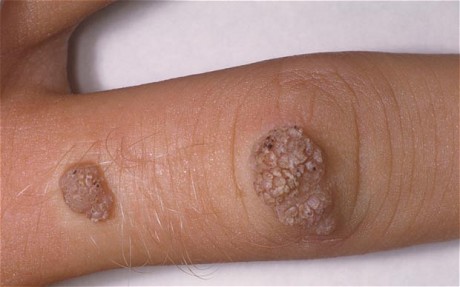
Frustrated with the benign skin growth on your hands that just wouldn’t go? Tired with the need to hide your hands away because of these disagreeable warts? If you are weighed down by the awkwardness of a common wart on your hands, you do not need to be completely disheartened. As frustrating they are because these stubborn little bumps are difficult to treat, you are not completely helpless against the common warts. There are certain ways which can help you get rid of the little demons.

Type and Causes of Hand Warts
Before attempting to get rid of your wart, you have to be sure which type of wart you have. There are mainly three types of warts, common, plantar and flat, the type that usually grows on the fingers and hands are common warts, grown often on the area where the skin is broken. They are also sometimes called ‘seed warts’. HPV, a type of virus, is usually attributed to the occurrence of warts in the skin.

How to Treat Warts
If you want to get rid of warts you have to be patient as they can take quite some time which could mean anywhere from a week to years. For any wart that are stubborn and do not respond treatments, you should consult a doctor.Ways to Cure Finger Warts

Over the counter wart remover: Most common over the counter remedy is salicylic acid or freezing the wart using dimethyl ether. Salicylic acid can be used in the form of gel, invisible strip or a solution, whichever is convenient. Freeze treatment may cause a little discomfort and may require a few treatments but can be very effective.

Home remedies: Use of a duct tape is the most simple and effective wart removal home remedy, which involves covering the wart completely by a duct tape leaving it for a few days. After removing the tape the affected area is then soaked in warm water and scrubbed using an emery board or pumic stone. It is a painless method and warts can be removed permanently with the repeated procedure for about 6 months.

Natural wart removal: Apple-cider vinegar and lime juice can be applied on warts for weeks until they are removed completely. Since, warts are caused by a virus, boosting your immunity with balanced diet and regular exercise will also help keeping warts at bay.

Other methods are covering the wart with Vitamin C or Vitamin E, applying tea tree oil or castor oil, covering in garlic or covering in baking powder.

Role of Medical Supply Companies In Helping The Hospitals Keep Their Techniques Up to Date

The medical sector has been revolutionized by modern technology – well, like all other sectors. The field of medical engineering has sure had its focus on striving hard to invent more and more techniques for diagnosis of diseases, treatment, timely rehabilitation and full recovery from all the effects of the ailment. It wasn’t possible earlier to detect complex diseases before the situation got out of control. But with the help of new technology, it is now possible to detect and diagnose diseases like cancer, HIV, AIDS, etc at a very early stage and make it possible for the doctors to give the patient a timely treatment before he loses himself to the cruel ailment.
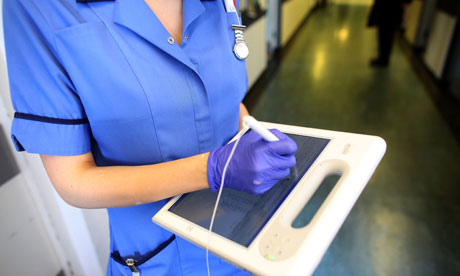
Medical equipment consists of a vast variety of tools and machinery that are required in the hospitals to diagnose the disease and look for its possible causes and effects on the patient’s organs. Hospitals can always contact a medical supply company to get hold of the up to date equipment for a better outcome when treating the patients. A hospital must have all the equipment starting from the blood pressure checking instruments to the heavy X-ray machines and other equipment.Role of Medical Supply Companies In Helping The Hospitals Keep Their Techniques Up to Date

The emergency department of a hospital probably is the most visited area of the facility and needs to have the basic equipment needed in case of an injury or a heart attack. Some of the tools that must be present in the emergency dept are:

  • Sphygmomanometers – for recording blood pressure
  • Pulse Checker
  • Ophthalmoscopes – used in eye examination
  • Glucometer
  • Otoscopes – for evaluation of the health of the ear

These help in checking the blood pressure, the sugar level and other primary tests to see how the patient is holding up. Other things that are necessary for emergency cases are:

  • Wound supplies
  • Respiratory therapy system
  • Oxygen masks
  • Protective gear
  • Minor procedure kits

These are required for dealing with the wounds that need urgent dressing or patients with a sudden heart attack or any other emergency case. Some of this equipment is also useful for the outpatient department, to check the regular patients with flu or a fever.
Medical Supply Company can also provide the hospital with surgical equipment for smooth and risk-free operations. Not a very long time ago it wasn’t possible to diagnose complex diseases, and hence impossible to think of any kind of cure. With the advancement of technology new methods have been developed to diagnose such diseases and to completely terminate their effect by operating the patient and removing carefully the badly affected parts.

Invention of electronic diagnosis tools and modern surgical equipment has made it possible to save people from dying at the hands of cruel ailments. By furnishing the hospitals with these tools and equipments, it would be possible to live in a securer world where ailments won’t be fatal anymore. A good medical supply company can fulfill the hospital requirements and make it possible for people to survive through cancer and other such diseases.

Becoming Committed to Contact Lenses

We all have certain commitments we need to make in our lives and maybe for you, you just found out that you need something to help you correct your vision. With several options available, contacts might be the best one for you but, you are not quite sure how to commit to this change. It might not be an extreme change, but whether a child or an adult needs to start to wear contacts, it may take some time to get use to wearing them each day.

Basic Hygiene and Proper Cleaning

The utmost important thing to remember is to keep your contact lenses as clean as possible and your hygiene regimen should include several important factors.

  • Clean your hands every time you handle your contact lenses.
  • Select the proper hand soap.
    • Avoid soaps with oil, scent, lanolin, or moisturizing lotions
  • Clean and disinfect your contact lenses and the lens case regularly.
    • Replace old contact solution with new solution according to solution directions
  • Replace your contact lenses regularly according to your prescription.
  • It is best to keep your finger nails short until you get use to putting in and taking out your contact lens

How Do I Put a Lens In?

For any first time user of contact lenses, it might be a bit scary to start using them. But no worries as contact lenses were created to be used with ease. When beginning to use them, there are some tips to keep in mind:

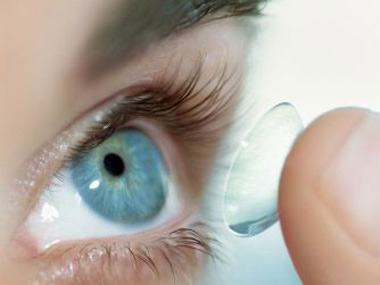
  • Before you put your lens in, make sure it forms a cup shape. If the edges are flared out then the lens is inside out.
  • Place the lens in your eye as you look upwards or forwards. You can also place the contact lens in the corner of your eye closest to your ear.
  • After placing the lens in, blink and roll your eyes in a circle to help it adjust over the center.

Removing the Lens

  • As you are about to take out the lens look up or sideways.
  • Gently pull the lens towards the white area of the eye so you are able to gently pinch the lens.
  • For rigid contact lenses, simply pull the bottom and top lid until your eyes are wide, hold out your hand and blink while looking down so that the lens falls into your hand.

Devices called “plungers” are also available from an eye doctor to remove the lens from your eye.

Wearing Eye Makeup

With eye makeup and contact lenses, additional steps should be taken each day.

  • Place your contact lenses in before you put on makeup, and take off your makeup first before you remove your lenses.
  • Be picky about which makeup brands and products you select.
    • Select only non-allergenic brands
    • Select water-based creams rather than powder (though powder can be used as well, but cream is less likely to irritate the eye)
  • Apply eye liner on the eyelid above away from the eye.

Contact Lenses

Can Children Commit to Contacts?

Sometimes it may or may not be clear if a child is ready to wear contact lenses. Because of their age alone many people may not think a child is old enough to start wearing lenses but a parent should consider how responsible they are rather than their age.

If a child is unorganized, forgetful, or needs to be reminded of proper hygiene, then they might not be ready for contact lenses yet. To make the commitment to wearing lenses, a child cannot forgot to take them out at night and needs to make sure they are properly cleaned. A child could always have a test run to see how they do with contact lenses if a parent wants to see if it will go well or not, but in some cases starting with glasses until a child becomes more mature might be best.

If a child is very involved in sports, then they might want to consider wearing contact lenses. In contact sports such as football or rugby, children and young adults could easily break glasses during practice or a game. Contact lenses also offer consistent clear vision unlike glasses of which the frames can easily obstruct the vision.

Children with nearsighted vision are also perfect candidates for Orthokeratology or Ortho-k treatments which include wearing special contact lenses at night to reshape the cornea to reverse nearsighted vision.

It might take some adjusting to get use to wearing contact lenses every day or just remembering to buy your lenses online, but in time it will become part of your routine. If you ever have any questions or concerns about wearing lenses, be sure to ask your optometrist.

Kate Simmons is a health blogger who is interested in learning about new eye health care techniques.

Ulcerative Colitis

Ulcerative colitis is a disease of unknown cause characterised by inflammation and ulceration of the large intestine (colon), resulting in the frequent passage of stools with blood and mucus. The onset resembles an attack of dysentery. The failure to respond to the usual therapeutic measures draws attention to the fact that the disease might be ulcerative colitis. This disease is more common in females.

Ulcerative Colitis

Acute attacks are more often during mental conflicts and emotional stress. Allergy to certain foods may be a factor in precipitating the disease. Milk, for instance, is one of the foods not well tolerated by patients who suffer from this disease and its exclusion from the diet always helps.

Severe weakness in ulcerative colitis is the result of insufficient food consumption, loss of blood and electrolytes in the stools. Liver damage is not unusual in prolonged ulcerative colitis, impairing proper synthesis of proteins and storage of fat-soluble vitamins.

Diet

A soft, low-fibre, high-protein diet is recommended. This can be achieved in a person taking a mixed diet. In a vegetarian it is a difficult task, particularly when milk is also excluded.

Fat used in normal cooking is tolerated. Fried foods are not easily digested and therefore should be avoided.

All forms of irritant and stale foods should be strictly avoided. Raw salads, dried fruits and nuts, condiments and spices, papad, chutney and pickles are strictly prohibited.

Cereals should be taken in the refined form (chokar to be removed). Only dhuli dais should be consumed.

Mineral loss may be marked and unless replaced may contribute to a fatal outcome. So liberal amounts of fluid, especially in the form of soups, is advisable.

Controlling Body Weight

The best first step to prevent overweight is to check the increase immediately by making changes in the diet related to the activity. Instead of reducing the total food intake, it is much better to adjust it according to the energy expenditure.

It is convenient to consider the energy expenditure of people employed in an urban society as divided into three parts corresponding to three eight hour periods. One part is spent in bed, the second at work and travelling to work, and the third in various non-occupational activities and recreation. The ‘rate of energy expenditure when in bed approximates 400-500 calories per 8 hours. At work the energy expenditure is determined by the nature of the occupation. In a sedentary job it amounts to about 900 calories per 8 hours; in a job involving moderate physical activity, to about 1,200 calories per 8 hours. On an average 900 calories per 8 hours can be considered as the expenditure for non-occupational activity.

Based on the above classification, the total food intake can also be divided into three – breakfast, lunch and dinner. Breakfast is our first meal and comes just before the 8 hour period of work requiring maximum energy. Thus, it should be our heaviest meal providing us the maximum calories. The main activity after lunch is non-occupational and recreational apart from some portion left over from the work period. This implies that lunch should be lighter than breakfast. The 8 hour period of rest in bed follows dinner, which should be the lightest meal in terms of energy value, as this rest period involves the minimum energy expenditure.

This diet plan is known as the ‘breakfast diet’ plan, since breakfast is the heaviest and most important of all meals, according to this plan.

Taking a heavy breakfast, a lighter lunch and the lightest possible dinner prove to be an effective, check on body weight and an easy way to shed the extra kilos without cutting down on the total dietary intake.

Effective Ways to Increase Sperm Count

When it comes to male fertility several myths exists and these are to be avoided. One myth is that the woman is usually the cause of infertility in couples. In truth it is a 50-50 split between men and women. Another myth is that sperm health is synonymous with sperm count. A healthy sperm count is vital for sperm health but there are several other sperm parameters that matter.

Male Fertility is Complex

Male fertility is complex just like female fertility. Several variables affect sperm health. Sperm count is the number of sperm that should be present in a given volume of sample. The benchmark is 20 million sperm per milliliter in a sample of 2 milliliters. Using the SpermCheck Fertility test you can determine if the sperm count is in the normal range.

Most doctors recommend regular sex to conceive. However the timing of sex is also a factor in conception just like the frequency of sex. If you increase the time interval between occasions of sex you automatically boost sperm count.

Other Parameters

There are other parameters beyond sperm count that make up sperm health. Sperm must be able to swim forward in a sustained manner. Their shape must be normal and they must have endurance, speed and longevity. These factors make up sperm motility. Normal sperm shape (morphology) is important as well. Count, motility and shape may be affected by genetics, infections, smoking and stress.

Increasing Sperm Count

To increase sperm count you need to give up bad habits like illicit use of drugs, smoking and alcohol. Switch to a high protein diet and cut down on unnatural processed foods. Eat plenty of vegetables and whole grains and less of fats. Eat as much of organic foods as possible. Regular exercise is recommended. This reduces the stress hormones that can cause damage to sperm. Getting in shape benefits your fertility. Over exercise is detrimental to sperm health and see that no strain is imposed on the testicles.

Yoga, tai-chi and meditation reduce stress and are beneficial for increasing sperm count. Consult a good doctor for more advice. If your sperm count issue has been documented then time and regulate the frequency of sex. Sperm count is highest in the morning this means it may be a good idea to have sex in the mornings and afternoons. Heat is bad for sperm health. Wear loose underwear and make available a cool climate for the sperm.

Sperm

FertilAid is a great way to boost sperm health. For sperm health antioxidants like Vitamin C and E, amino acids like L Carnitine and minerals like Selenium and Zinc are very healthy. According to a recent clinical study, both sperm count and motility were increased by FertilAid.

L-carnitine (red meat and milk), Folic Acid (whole grains) and L-arginine (nuts, sesame seeds, eggs and meat) have been found to be very beneficial to sperm health. Have sex and masturbate less often. Eat the right kinds of food for optimum sperm health. Remove the heat by sleeping naked if you can for great sperm health. These tips are not important solely for parents who are willing to conceive a baby but occasional sperm bank donors can also find them beneficial. Whatever your aim is be sure to follow them if you want to boost your fertility.

Diets for Aftercare and Outpatient Recovery

Diets-for-Aftercare-and-Outpatient-Recovery

After surgery your body is in recovery mode, and diet is one of the most important components that can aid in the healing process.  Eating the right foods can help prevent unwanted side effects and give the skin what it requires for effective and efficient healing.  Follow these dietary suggestions on your road to healing, and you will establish good nutritional habits that can continue to benefit you for life.

Whole vs. Processed Foods

In general, whole foods are recommended for diets after surgery to maximize nutritional value and ensure higher fiber content.  Processed foods are often not as nutritionally beneficial.  For instance, it’s better to eat fresh vegetables directly from the produce stand, and use those in your cooking, than to seek those same benefits from a can of high-sodium vegetable soup. Processed foods often have more salt, sugar, and fat, but fewer vitamins and fiber.  It should be noted, however, that frozen and canned vegetables are generally just as nutritionally beneficial as their whole food counterparts.

Fruits, vegetables, and whole grains

Fruits and vegetables are particularly important for an aftercare diet.  For instance, they contain healthy doses of Vitamin C, which some studies have shown can aid in the healing process.  They are also high in fiber, which can help prevent constipation, a very common side effect after surgery.  Five- to ten servings of vegetables are recommended daily to meet the nutritional needs of the human body.

Whole grains are a filling and tasty source of fiber and vitamins.  When choosing bread and rice, select white over wheat, since they are less processed and therefore have retained more of their nutritional value.

Meats and Dairy

Amino acids have been shown to have significant healing benefits, and chicken, fish, and eggs are not only high in these, but in protein as well.  Protein is a crucial part of a balanced diet, but not all protein-rich foods are created equally, especially when it comes to aftercare.  Red meat is high in saturated fat, which is linked to heart disease, and it can also cause constipation after surgery.  Dairy, while having great nutritional benefits including protein, is a very common cause of constipation.  In addition, dairy causes increased lung secretions in those with a cough.  If dairy products are enjoyed during outpatient recover, then low fat versions are generally recommended for good health, to reduce the risk of heart disease.

Vitamin Supplements

If you are planning on taking vitamin supplements for recovery after surgery, select one containing iron and B-12.  They can help form new blood cells in bone marrow, which is important after certain kinds of surgery.  Vitamin supplements can be particularly helpful in meeting the nutritional needs of those patients who are experiencing a loss of appetite.  Glutamine amino acid supplements have also been shown to be beneficial for healing after surgery.  Yet there is such thing as too much of a good thing: certain vitamins can be harmful if taken in excess.

Loss of Appetite

Loss of appetite is another symptom commonly experienced by patients after surgery. Eating smaller portions more frequently can help.  Experimenting with recipes to discover appealing foods is also useful, since tastes can change after surgery. Eating calorie-rich foods can help make up for the shortfall in caloric intake.  Loss of appetite is usually temporary, and for most patients a regular diet should replace the high-calorie diet when normal appetite resumes.

Diet has a direct impact on the speed and quality of a patient’s recovery after surgery.  A good diet will help ensure that a patient is healed sooner, able to return to normal activities and enjoy a better quality of life in the long run.

Guest Post contributed by Per Watson